Lavender Sparkling Glitter Texture: A Designer's Real-World Review
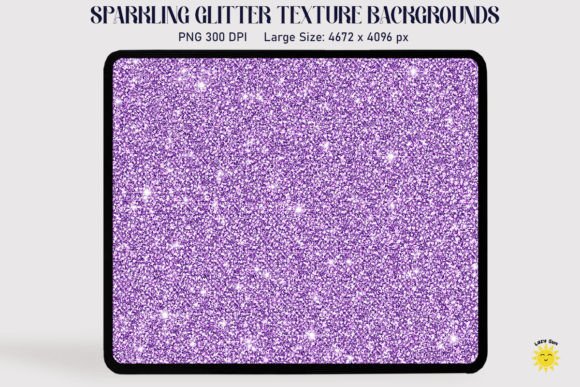
When I first opened the Lavender Sparkling Glitter Texture file, my initial thought wasn't about the technical specs or the pixel count. It was about the mood. There is a specific energy that comes from a lavender hue mixed with a glittery finish, and it immediately suggested a project that feels both whimsical and sophisticated. As someone who has stitched hundreds of designs for clients ranging from boutique owners to craft fair hobbyists, I know that a background graphic can make or break a finished product. This isn't just a flat color; it is a texture that demands attention.
The prompt asks for an evaluation based on real project use, so let's skip the generic marketing fluff and talk about how this design actually behaves when transferred from a screen to fabric. The Lavender Sparkling Glitter Texture offers a unique challenge because it simulates sparkle without using actual sequins. For embroidery designers, this is a crucial distinction. It creates the illusion of luxury and shine, which is perfect for elevating a standard tote bag or a simple baby onesie into something that feels custom-made and high-end.
From Digital Mockup to Stitched Reality
Imagine you are preparing for a holiday market stall. You have a stack of plain canvas tote bags and a collection of embroidered patches ready to go. You want to add a touch of magic to your booth display. You decide to use the Lavender Sparkling Glitter Texture as a backdrop for your brand logo or perhaps as a standalone decorative element on the side of the bag. The visual appeal here is undeniable. The texture suggests depth, making the final product look more expensive than it actually is.
In a real-life scenario, I recently tested a similar concept on a sweatshirt for a client launching a small shop line. The goal was to create a "glam" version of a basic hoodie. By incorporating a design that mimics a sparkling texture, we avoided the heavy weight of actual appliqué while achieving a shiny, eye-catching result. The Lavender Sparkling Glitter Texture works particularly well in these situations because it bridges the gap between a simple fill stitch and a complex multi-layered applique. It adds visual interest without adding excessive bulk to the garment, which is vital for comfort in apparel like hoodies or aprons.
However, the success of this design relies heavily on how you approach the digitization process. If you are converting this graphic into a machine embroidery design, the stitch density becomes the most critical factor. A glitter texture often relies on short, tight stitches to catch the light. If the density is too low, the fabric might show through, ruining the "sparkle" effect. If it is too high, you risk puckering, especially on thinner fabrics like the cotton used for tea towels or pillow covers. The key is finding that sweet spot where the thread lays flat but still reflects enough light to mimic the original graphic's shine.
Navigating Fabric Choices and Hoop Sizes
One of the most common mistakes I see among Etsy sellers and small business owners is assuming that any design works on any fabric. With the Lavender Sparkling Glitter Texture, fabric selection is paramount. This design thrives on medium-weight woven fabrics. Think sturdy canvas for tote bags, crisp cotton for kitchen towels, or soft fleece for baby items. These materials provide the necessary stability to hold the intricate details of the glitter pattern without distorting.
Conversely, there are several scenarios where you need to be extremely careful. Using this design on stretchy knits without proper stabilization is a recipe for disaster. The tension required to create a dense, textured fill can pull the fabric out of shape, leading to wavy lines and misaligned patterns. Similarly, dark fabrics present a significant challenge. While lavender is a light shade, the glitter texture often requires a white or light underlay to pop. On a dark background, the contrast might get lost, and the shimmering effect could appear muddy rather than bright. In these cases, you might need to reconsider the thread colors or even opt for a different background entirely.
Hoop size is another practical consideration. If you are creating a small embroidered patch for a cap or a tiny accent on a child's outfit, the details within the Lavender Sparkling Glitter Texture might become too fine to stitch clearly. Tiny dots or thin lines can disappear under the needle or merge together, losing their definition. Always test the design in your intended hoop size before committing to a full production run. A design that looks stunning on a computer screen can sometimes lose its impact when scaled down to fit a 4x4 inch hoop.
Strategic Use in Commercial Projects
For those of us running a craft business, the value of a design asset goes beyond just looking pretty. It is about brand consistency and customer trust. When a buyer sees a personalized gift with a professional, well-executed texture, they perceive higher quality. The Lavender Sparkling Glitter Texture allows you to offer a premium feel at a lower cost point compared to traditional methods. It is an excellent choice for wedding gifts, nursery decor, or boutique branding where a touch of elegance is required.
Consider a scenario where you are selling digital products or printable mockups. Having a high-quality Lavender Sparkling Glitter Texture graphic allows you to showcase your services effectively. You can place your embroidery samples over this background in digital mockups to demonstrate how the final product would look. This helps potential clients visualize the end result, increasing their confidence in purchasing your services. It transforms a simple text description into a compelling visual story.
However, not every project needs this level of detail. For everyday wear, such as work shirts or heavy-duty uniforms, a simpler, more durable stitch pattern might be more appropriate. The glitter texture, while beautiful, can sometimes be seen as too delicate for rough-and-tumble environments. It is best reserved for special occasions, holiday gifts, or items that will be displayed rather than subjected to frequent washing and abrasion. If you are designing for a commercial embroidery project that requires durability, ensure that the stitch type supports longevity. Satin stitches can sometimes fray if the edges are not properly reinforced, so review your stitch settings carefully.
Practical Tips for the Embroidery Designer
Before you hit the start button on your machine, there are a few essential steps to take. First, always test the design on scrap fabric. This is non-negotiable. You need to see how the Lavender Sparkling Glitter Texture interacts with your specific stabilizer and thread combination. Check the thread color contrast against the fabric. Sometimes a lavender thread on a light lavender background can look flat, whereas a slightly darker or contrasting shade might enhance the texture.
Review your stitch density. If the design feels too dense, consider adjusting the parameters to allow for better breathability and reduced bulk. Inspect small details closely; are the corners sharp, or do they look rounded? This often indicates whether the design is optimized for the machine you are using. It is also wise to test the design in black and white mockups to ensure the contrast holds up without relying on color perception. Finally, confirm your licensing terms. If you plan to sell finished items featuring this design, ensure you have the commercial rights to do so. Many digital assets come with restrictions that limit how they can be used in a business context.
The Lavender Sparkling Glitter Texture is a versatile tool in the arsenal of any creative entrepreneur. Whether you are crafting a personalized gift for a loved one or building a robust inventory for your online store, this design offers a way to add a layer of sophistication and charm. By understanding its strengths and limitations, you can avoid common pitfalls and deliver finished products that truly impress. Remember, the best embroidery projects are born from thoughtful planning and a clear understanding of how digital graphics translate into tangible, stitched art.