Seamless Vector Patterns with Fruits: A Designer's Real-World Review
When I first opened the Seamless Vector Patterns with Fruits download, my immediate reaction wasn't about the file formats or the technical specs. It was about the vibe. There is a specific energy to citrus designs that screams "fresh," "bright," and "inviting." As someone who has stitched thousands of embroidery files for clients ranging from boutique owners to hobbyists, I know that not every vector pattern translates well into thread. Some look great on a screen but become a muddy mess under a needle. This review is based on how Seamless Vector Patterns with Fruits actually behaves when it moves from a digital preview to a finished textile piece.
The First Stitch: Mood and Visual Personality
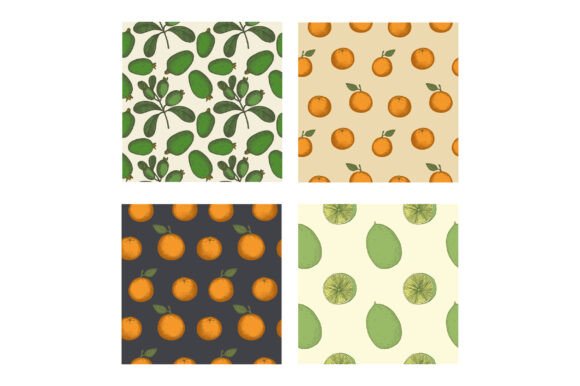
The layout of this design set feels organic yet structured. The repeating background features citrus plants—orange, lime, mandarin, and feijoa—which creates a lush, garden-like atmosphere. Unlike rigid geometric patterns that can feel cold in embroidery, these botanical elements have a natural flow. They invite the eye to wander across the fabric, which is crucial for items like tote bags or aprons where the design needs to hold attention without overwhelming the wearer.
From a designer's perspective, the shapes are distinct. The roundness of the oranges contrasts nicely with the sharper angles of the leaves. When converting a vector graphic into an embroidery file, the risk is usually losing those subtle curves or making the details too dense. In this case, the initial assessment suggests that the outlines and fill areas are balanced. The design doesn't scream for attention; instead, it whispers sophistication. This makes it perfect for handmade products that need to feel premium rather than kitschy. It fits the aesthetic of a modern craft business or a high-end Etsy shop looking for something unique.
Real-Life Scenario: The Custom Tote Bag Project
Let's imagine a real-world scenario. You are preparing a custom order for a local bakery that wants branded tote bags for their holiday season. They want something that feels summery even in winter, a nod to fresh ingredients. You pull up Seamless Vector Patterns with Fruits as your base layer.
Here is where the practical judgment comes in. If you stitch this entire pattern densely on a standard canvas tote, it might become stiff and heavy. However, if you use it strategically, perhaps as a border or a scattered background behind a large monogram, the result is stunning. The citrus theme works beautifully for kitchen towels or aprons where the user is surrounded by food prep. Imagine a customer unwrapping a gift that features embroidered limes and oranges on a soft tea towel. The visual appeal instantly elevates the perceived value of the item.
I also considered using this for a sweatshirt embroidery project. For a hoodie, the pattern would work best if digitized to break up the monotony of a solid color block. Instead of a single large logo, a repeating motif of the fruit could run down the side seam or across the back hem. It adds a playful touch that appeals to younger demographics while maintaining a professional finish. The key is knowing where to place the design so it complements the garment's cut rather than fighting against it.
Technical Performance on Different Fabrics
Not all fabrics play nice with every design. With Seamless Vector Patterns with Fruits, you have to be mindful of the substrate. On smooth, tightly woven cottons like poplin or broadcloth, the detail shines. The stitch density likely holds up well, allowing the colors of the orange and lime to pop against the white or cream background.
However, caution is required with textured or stretchy materials. If you attempt to stitch this on a loose-knit jersey or a heavily textured linen, the stability of the pattern might suffer. The small details of the feijoa or the leaf veins could get lost in the weave. For baby clothes, which often use softer, more delicate knits, you would need to ensure you are using a high-quality stabilizer to prevent puckering. A pucker ruins the crisp lines of a vector pattern, turning a clean design into a wrinkled disappointment.
Dark fabrics present another challenge. While the RGB values look vibrant on screen, translating them to thread requires careful selection. If the background fabric is dark navy or black, the lighter greens and yellows of the citrus might get swallowed unless you use a significant amount of underlay or a specific satin stitch technique. Always test the thread colors on scrap fabric before committing to the final product. This step is non-negotiable for any serious craft business.
Where to Use Carefully
There are specific scenarios where this design might need modification or should be avoided entirely:
- Small Hoop Sizes: If you are working on tiny patches or small accessories, the repeating nature of the pattern might get clipped awkwardly. Ensure the design scales down without losing its essential character.
- Curved Surfaces: Embroidering a seamless pattern on a curved surface like a cap can distort the geometry. The circles might look like ovals, breaking the illusion of a perfect repeat.
- Frequent Washing: For items like kitchen towels or tote bags that will see heavy use, check the durability of the stitches. Dense fill areas can sometimes trap lint or fray if not stabilized correctly.
- Thin Fabric: Avoid using this on very sheer materials without proper backing, as the weight of the embroidery could cause sagging.
Impact on Brand and Customer Trust
In the world of Etsy sellers and small shop owners, presentation is everything. A well-executed embroidery project builds trust. When a customer receives a personalized gift that looks professionally finished, they are more likely to return. Seamless Vector Patterns with Fruits offers a level of consistency that helps maintain brand identity. Whether you are creating a line of holiday gifts or a collection of nursery decor, the cohesive look of the citrus theme ties everything together.
Furthermore, the versatility of this design allows for creative marketing. You can create printable mockups showing the pattern on various items, from pillow covers to baby onesies. These visuals help potential buyers visualize the end product, increasing engagement and sales. The design assets provided in the ZIP file, including AI, EPS, JPG, and SVG formats, give you the flexibility to adapt the look for different mediums, ensuring your commercial embroidery projects remain sharp and clear.
Practical Designer Notes for Success
Before you start stitching, here are a few essential steps to ensure your finished product meets your standards:
- Test on Scrap: Always run a test stitch on a piece of scrap fabric similar to your final material. Check for tension issues and color bleeding.
- Review Stitch Density: Look closely at the digitization. Are there areas where the stitches are too close together? Too far apart? Adjusting this can save hours of rework.
- Confirm Licensing: If you plan to sell the finished items, double-check the license terms included with the download. Commercial rights vary, and you want to avoid legal trouble.
- Check File Compatibility: Ensure your embroidery machine software can read the provided formats (AI-10, EPS-10, etc.) and convert them correctly to your machine's native format.
- Inspect Small Details: Zoom in on the digital file. Do the leaf tips and fruit stems look clean? If they are too fine, they may require simplification before digitizing.
Ultimately, Seamless Vector Patterns with Fruits is a strong candidate for anyone looking to add a touch of nature and brightness to their embroidery portfolio. It strikes a balance between artistic flair and practical application. By understanding its strengths and limitations, you can transform a simple digital vector into a cherished personalized gift or a best-selling small shop product. The difference between a good design and a great one often lies in the preparation and the care taken during the stitching process. With the right approach, this pattern is ready to shine.