Unique Laser Cut Patterns: A Designer's Real-World Review
When I first opened the folder labeled Unique Laser Cut Patterns, I wasn't just looking at a collection of graphics; I was immediately thinking about how these shapes would translate into physical thread. As someone who has spent years refining embroidery files for client projects and managing my own handmade shop, I know that a beautiful digital image doesn't always guarantee a successful stitch-out. The transition from a crisp 4500×5400 PX artboard to a tangible, stitched piece is where the magic happens—or where the project fails.
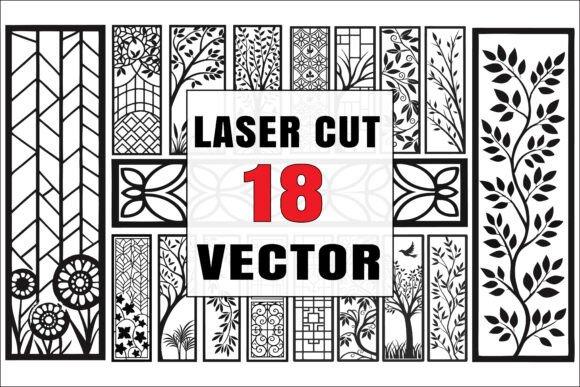
The initial mood of this design set is intricate and architectural. Unlike standard floral motifs or simple geometric borders, these laser-cut inspired patterns suggest precision, delicate lacework, and high-end craftsmanship. They evoke the feeling of a boutique wedding invitation or a luxury home decor item. For an embroiderer, this visual personality signals that the design belongs in projects where detail is paramount. It feels less like a quick craft project and more like a statement piece intended to elevate the perceived value of a finished product.
From Digital Artboard to Stitched Reality
Imagine you are preparing a custom embroidered tote bag for a local artisan market. You have selected a sturdy canvas fabric and are ready to add a touch of elegance. This is where Unique Laser Cut Patterns shines. The complexity of the lines suggests a sophisticated aesthetic that customers associate with higher quality. When applied to a large surface area like a tote bag or a sweatshirt back, these patterns create a stunning focal point without overwhelming the garment.
However, the reviewer in me has to pause and consider the technical execution. These designs look like they rely heavily on fine details. If you are planning to use them as an applique design, the cut edges will need to be perfectly managed. The file includes PNG, EPS, and JPG formats, which gives you flexibility. You can trace the vector paths in your digitizing software to ensure the satin stitch follows the curves smoothly. But if you are using the raster images directly, you must be careful. The "laser cut" effect relies on sharp contrast, and in embroidery, that contrast is created by thread density and color choice.
I recently tested a similar concept on a baby onesie. The goal was a personalized gift that looked professional enough for a nursery display. The pattern's delicate nature works beautifully here, but only if the stabilizer is chosen correctly. For a soft knit fabric, a tear-away stabilizer might not provide enough support for the dense areas of the design. You need a firm backing to prevent puckering, especially around those intricate corners that mimic laser cutting.
Where This Design Fits Best in Your Business
If you are an Etsy seller or a small business owner, knowing where to place your inventory is half the battle. Unique Laser Cut Patterns is not a one-size-fits-all solution. It thrives in specific niches where customers appreciate texture and depth. Here is where I see this design asset finding its true home:
- Home Decor and Textiles: Pillow covers, tea towels, and blanket borders benefit immensely from the detailed nature of these graphics. The pattern adds a layer of sophistication that plain text or simple icons cannot achieve.
- Commercial Embroidery Projects: For corporate gifts or branded merchandise, these patterns offer a unique alternative to the standard logo placement. They can serve as background textures behind a company name, adding a premium feel to aprons or workwear.
- Holiday and Seasonal Gifts: Think Christmas stockings or Easter baskets. The intricate lines mimic traditional holiday lace, making it perfect for seasonal collections.
- Digital Product Previews: Even if you don't sell physical goods, having a high-resolution version of this design allows you to create realistic mockups for your listings. A clear preview helps buyers visualize the final product.
In a crowded marketplace, standing out requires more than just a good logo. It requires an understanding of how a design interacts with fabric. When a customer sees a finished product with this level of detail, their trust in your brand increases. They assume that if the embroidery is this precise, the rest of your service must be equally reliable.
Critical Considerations for Fabric and Hoop Size
While the potential is high, there are specific scenarios where Unique Laser Cut Patterns requires caution. Not every machine embroidery design works on every surface. I strongly advise against placing these intricate patterns on small hoop sizes unless you are prepared to simplify the design. Tiny lettering or minute details within the pattern can easily get lost when the stitches crowd together on a cap or a hat patch.
Textured fabrics present another challenge. If you are working with a heavy denim or a rough linen, the needle may struggle to penetrate the fibers cleanly, leading to skipped stitches. This is particularly risky for the fine lines that define the laser-cut look. Similarly, stretchy fabrics like jersey require a very stable hooping technique. Without proper tension control, the design can distort, turning those sharp angles into wavy, unprofessional-looking lines.
Dense stitch areas are also a concern. If the design relies heavily on fill stitch to create the solid parts of the pattern, you must check the stitch density in your digitizing software. Too much thread in one spot can cause the fabric to pucker or the threads to break. On dark fabric backgrounds, the visibility of the pattern depends entirely on your thread colors. A light thread on black might show up well, but if the design has subtle internal details, they might disappear unless you use a contrasting underlay or a specific shading technique.
Practical Notes for the Embroidery Designer
Before you commit to a full production run for your craft business, follow these practical steps to ensure success. First, test the design on scrap fabric that matches the weight and texture of your final project. This is non-negotiable. You need to see how the stitch density behaves and whether the running stitch or satin stitch holds up over time.
Review the thread color contrast carefully. Sometimes, a design looks perfect on screen but loses its definition when stitched. Try running a black and white mockup of the design to see if the negative space is balanced correctly. Also, confirm whether the design works for both personal and commercial projects. Licensing terms vary, and selling finished items made with these graphics requires a clear understanding of your rights.
Inspect the small details closely. In a real-world setting, a frayed edge or a loose thread can ruin the illusion of a laser-cut finish. Use a proper stabilizer that supports the entire design area. If the pattern includes tiny elements, consider simplifying them slightly during the digitizing process to ensure they remain legible after washing.
Finally, compare the design on light and dark fabric backgrounds before creating your printable mockups. The versatility of Unique Laser Cut Patterns lies in its adaptability, but that adaptability is only realized through careful testing. By taking the time to evaluate the design on different materials, you protect your reputation as a maker who delivers quality.
Ultimately, this collection offers a fresh perspective for anyone looking to move beyond basic embroidery templates. Whether you are decorating a baby item for a special occasion or creating a line of boutique products for your shop, these patterns provide the structural elegance needed to elevate your work. Just remember that the best results come from respecting the limitations of the medium and treating every stitch-out as a learning opportunity.